With 79% of emissions related to the construction and operation of infrastructure like power generation, buildings and transportation, investing in sustainable infrastructure assets is key to supporting decarbonisation. Existing infrastructure is also prone to climate-related risks. This session explores the role and opportunities of investing in green and resilient infrastructure.
Plastics are ubiquitous in our lives. They are versatile, resistant, lightweight, and low cost. That is why their production has grown by 400 times since 1950. Unfortunately, poor life cycle management has led to widespread pollution and environmental damage. Circularity, improved design, and substitution could be part of the solution. An expert panel will discuss the catalytic powers of finance in scaling new solutions to end plastic waste.
Our conference will be co-hosted by Patrick Odier, Senior Managing Partner and Jean-Pascal Porcherot, Managing Partner of Lombard Odier. They have the pleasure to invite Mark Schneider, CEO at Nestlé; Jacob Duer, President and CEO at Alliance To End Plastic Waste (AEPW) and Professor Jean-Pierre Danthine, Managing Director at E4S and Kristin Hughes, Director of the Resource Circularity Pillar at the World Economic Forum (WEF) to discuss the catalytic powers of finance in scaling new solutions to end plastic waste.
Join BlackRock as they discuss the future of public and private markets through the sustainable lens and how they will shape the transition to net zero.
Building Bridges Summit 2022
Building Bridges 2022
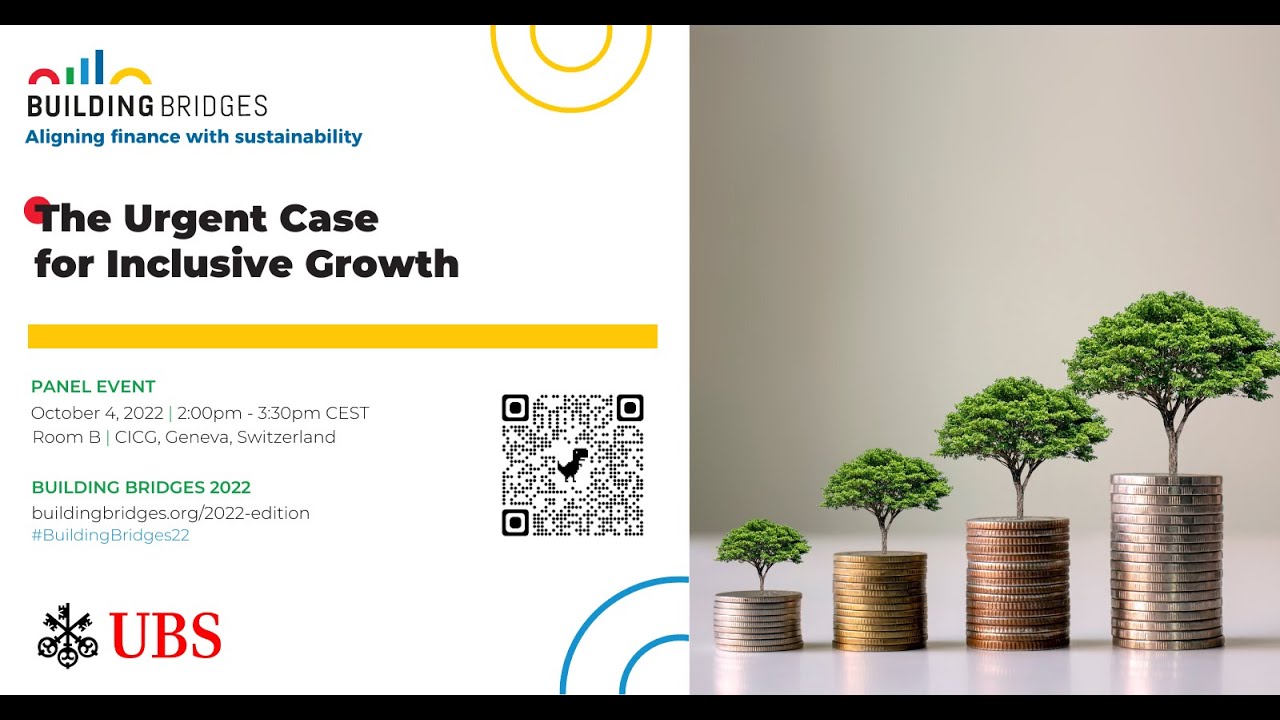
When economic opportunities are available to everyone, especially those who face the greatest barriers, everyone wins. Inclusive growth strategies focus on reducing inequality, go beyond GDP metrics, identify and work with stakeholders vs shareholders, and recognize value in investing in people and geographies that have been left behind in the last century of rapid globalization. Why should businesses care about inclusive growth and how can they integrate this focus into their own business practices?
Investing in strengthened and integrated services for children and their caregivers has a high rate of return. Innovative practices of states and economic research show the potential for private investment. How can we leverage the financial sector to end violence against children and accelerate the implementation of the SDG agenda?
The growth in the carbon credit market is generating unprecedented monetisation opportunities for biodiversity through nature-based solutions for climate. Some critics argue that the market is not currently effectively valuing the additional biodiversity and social co-benefits, or even negative impacts, in the pricing of these nature-based carbon credits. In addition, carbon markets are currently favouring restoration credits and not conservation, or avoided deforestation, credits. More effectively monetising conservation outcomes is critical to closing the global conservation funding gap, estimated at over US$800 billion per year. In response to these challenges and opportunities, there is increasing interest in the development of a biodiversity credit and a market for nature.